

Is your eight-year-old struggling with reading or spelling? It's possible they may have undiagnosed dyslexia. At CT Dyslexia ADD/HD Learning Center, we understand the unique challenges faced by dyslexic learners. Here are five signs that your 8-year-old might have undiagnosed dyslexia:
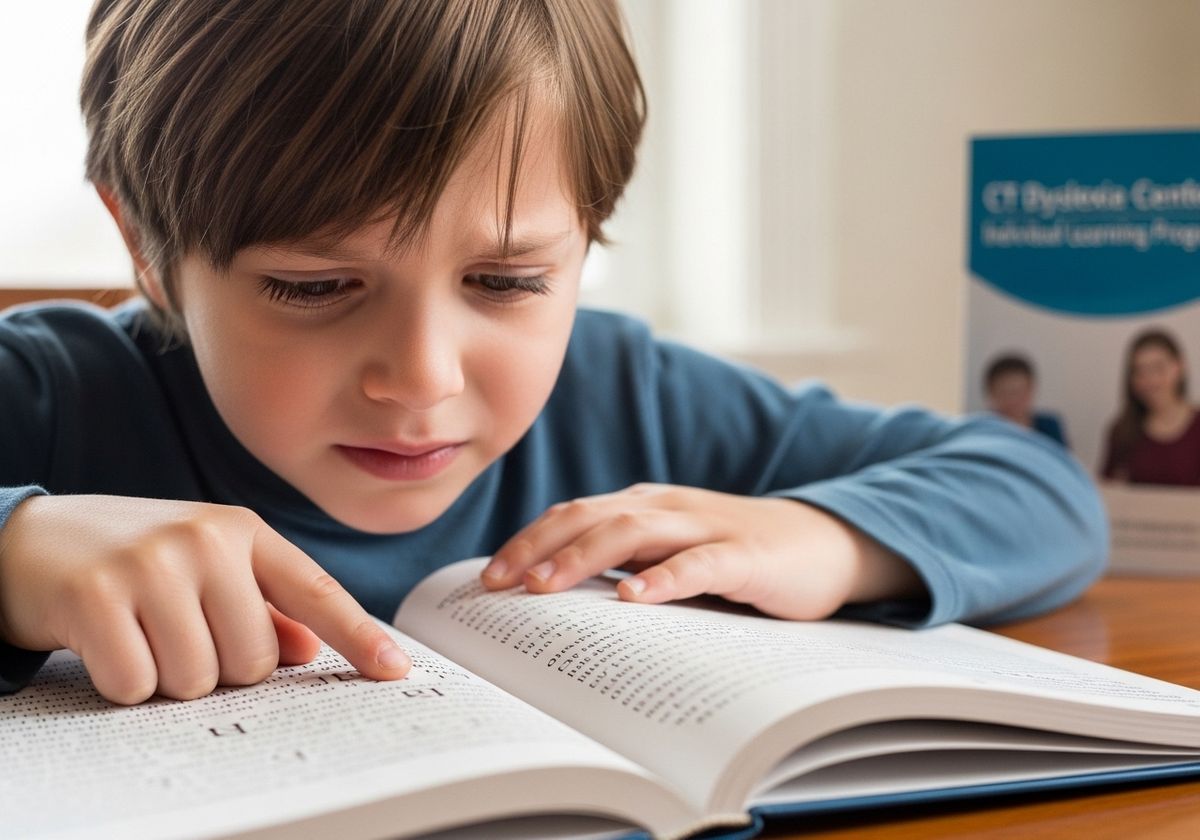
1. Difficulty Decoding Words
One of the primary indicators of dyslexia is trouble decoding words. This means your child may struggle to sound out new words, even if they know the individual sounds of the letters. They might guess at words based on the first letter or the context, rather than actually reading them. It is important to note that CT Dyslexia ADD/HD Learning Center specializes in creating individual learning programs that help students develop strong decoding skills.
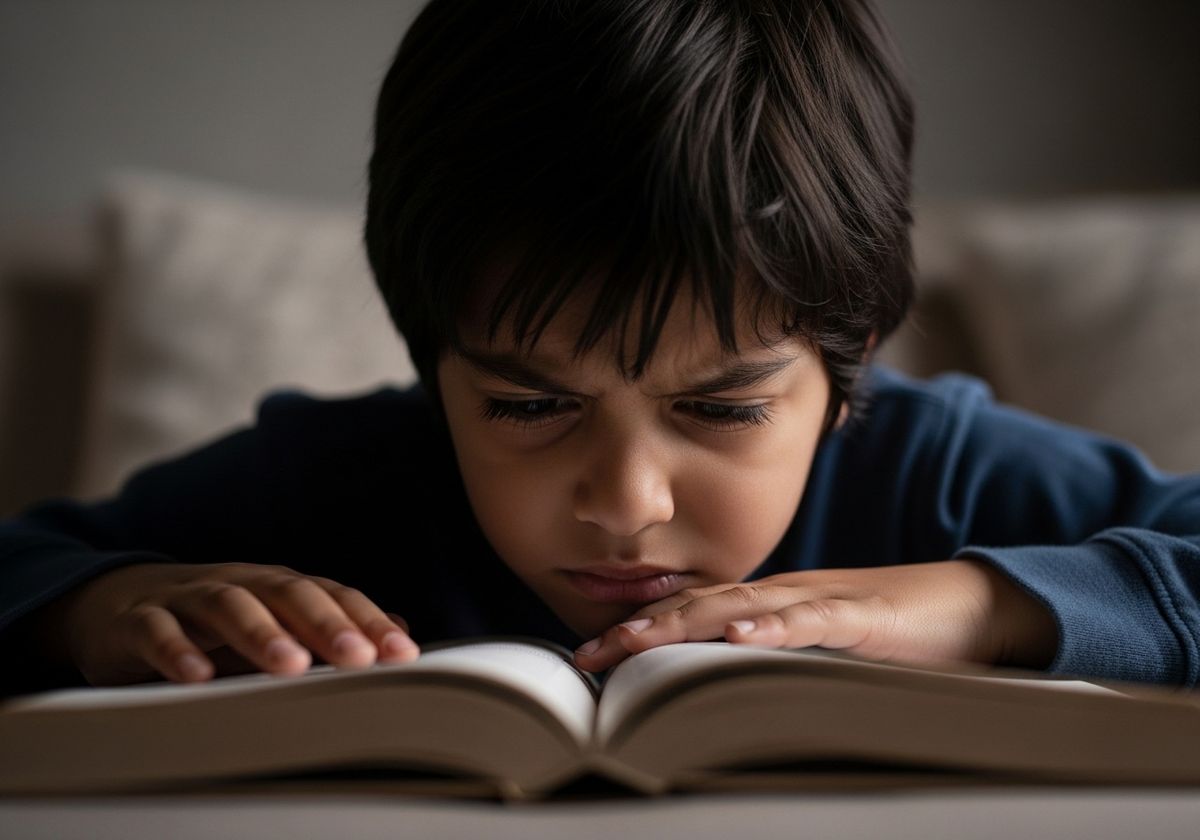
2. Slow and Labored Reading
While some children may decode accurately, they might read very slowly and with great effort. This labored reading can lead to fatigue and frustration, making it difficult for your child to comprehend what they are reading. If you find that your child's reading speed is significantly lower than that of their peers, it could be a sign of dyslexia.

3. Spelling Difficulties
Dyslexia often manifests as difficulties with spelling. Your child might struggle to remember how to spell common words or consistently misspell words in unexpected ways. They may also have trouble with phonetically spelling words, even if they can sound them out correctly. We understand that every student has an individual learning style, and we customize each of our individual learning programs to accommodate for this.
4. Trouble with Rhyming
Rhyming is a foundational skill for reading and spelling. Children with dyslexia often have difficulty recognizing and producing rhymes. They might struggle to identify words that sound alike or to come up with words that rhyme with a given word. If your child struggles with rhyming activities, it could be a sign of an underlying reading difficulty.

5. Avoidance of Reading
Perhaps the most telling sign is a general avoidance of reading. If your child consistently resists reading activities or expresses negative feelings towards reading, it could be a sign that they are struggling. This avoidance often results from the frustration and difficulty they experience when trying to read.
Recognizing these signs early is crucial for getting your child the support they need. If you suspect your child might have dyslexia, don't hesitate to seek professional evaluation and support. At CT Dyslexia ADD/HD Learning Center, we are dedicated to providing individual learning programs tailored to each learner's unique needs. Contact us today to learn how we can help your child unlock their full potential and overcome the challenges of dyslexia.